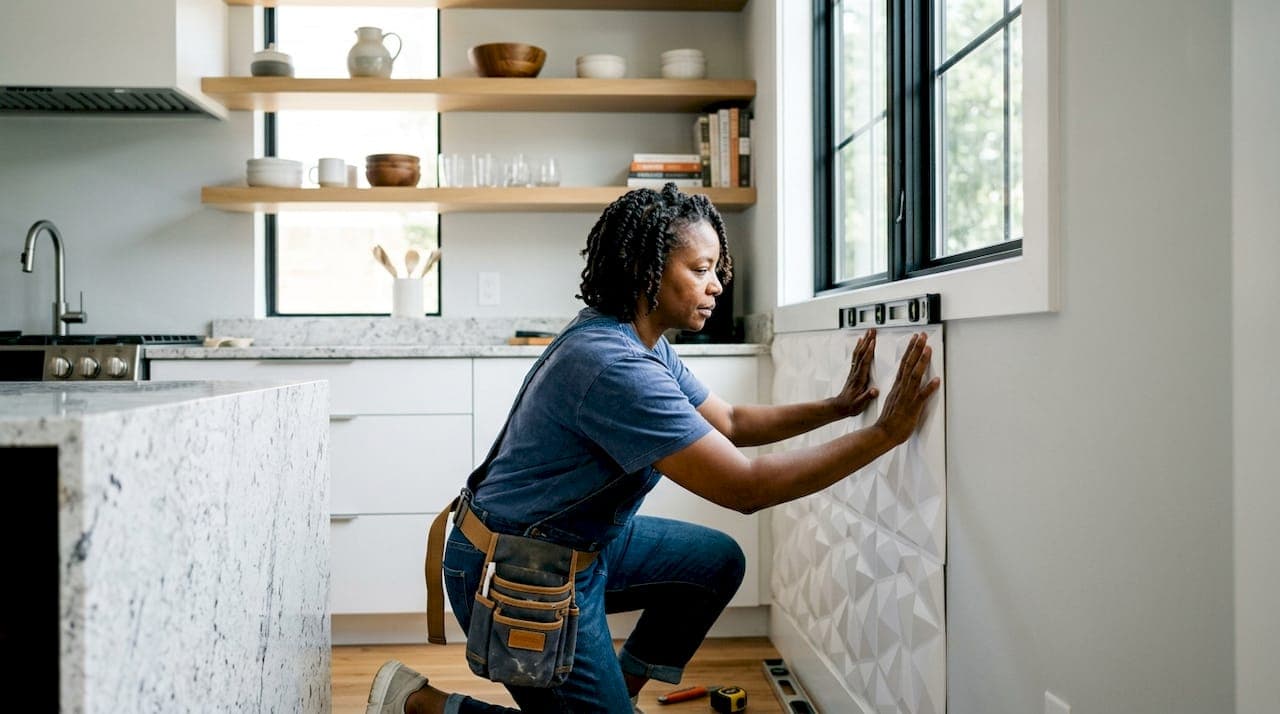
Decorative wall panels are surface-mounted interior coverings that add texture, depth, and visual interest to any room. They span materials from PVC and porcelain to natural wood and composite, making them one of the most flexible tools in interior wall decor. Whether you own your home or rent it, panels let you upgrade a space without a full renovation. Themediawallstore has built its entire product line around this idea: high-end aesthetics at a fraction of custom build costs, with over 1,000 satisfied customers to back it up.
What types of decorative wall panels are available?
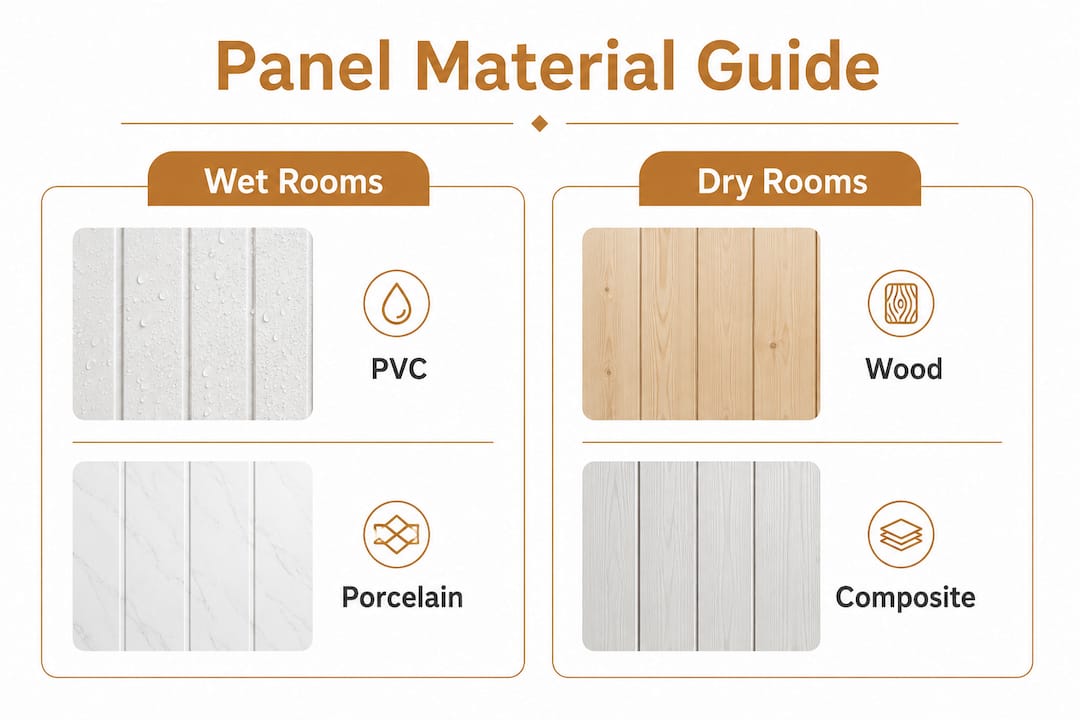
The right panel material depends on where you plan to install it and how much maintenance you want to do. Each material carries distinct trade-offs in durability, weight, moisture resistance, and visual range.
Porcelain and ceramic panels
Porcelain panels meet ISO 10545-3 standards for water absorption and scratch resistance, making them the top choice for bathrooms and kitchens. Ceramic panels cost less but absorb slightly more moisture, so they work best in low-humidity rooms. Both materials come in large-format slabs that mimic natural stone without the weight penalty.
PVC and composite panels
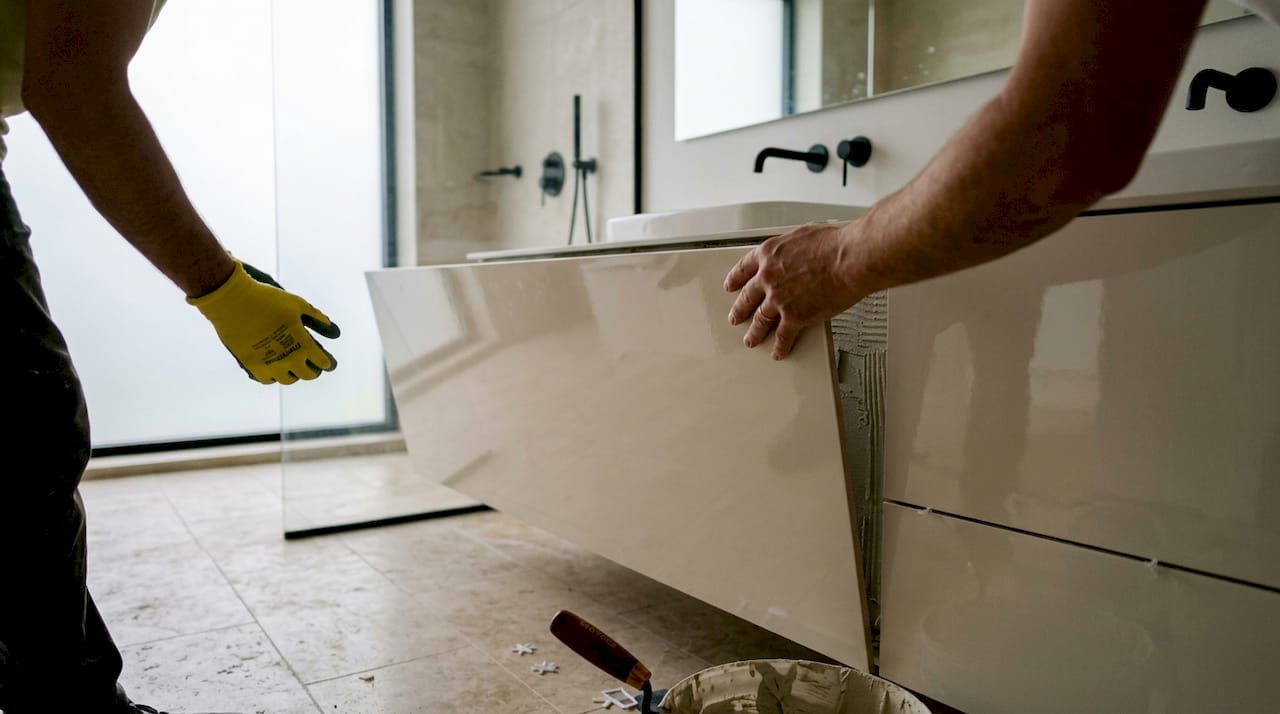
PVC panels are 100% waterproof and install with a tongue-and-groove system that seals joints completely. That waterproof quality makes them the go-to option for shower surrounds and laundry rooms. Composite panels blend wood fiber and polymer for a warmer look while still resisting moisture better than solid wood.
Natural wood and stone panels
Solid wood panels deliver warmth and grain detail that no synthetic material fully replicates. They require sealing in humid rooms and periodic refinishing over time. Natural stone panels are heavy, often requiring mechanical fixing into wall studs per BS 5385 installation guidelines, and they carry the highest material cost of any panel type.
Choosing by room environment
| Room | Recommended material | Key reason |
|---|---|---|
| Bathroom or shower | PVC or porcelain | Full moisture resistance |
| Kitchen backsplash | Ceramic or porcelain | Heat and stain resistance |
| Living room accent wall | Wood, composite, or 3D PVC | Aesthetic flexibility |
| Bedroom feature wall | Wood or faux leather composite | Warmth and texture |
| Rental apartment | Snap-on PVC or composite | No adhesive, damage-free removal |
The table above shows that no single material wins across all rooms. Match the panel to the environment first, then choose the finish that fits your style.
How to install wall panels: preparation and methods
Good installation starts well before the first panel goes up. Skipping preparation is the most common reason panels fail, shift, or look uneven within a year.
Gather your tools first
Having all 12 essential tools ready before you start reduces installation time by 30% by preventing mid-job supply runs. The core kit includes a tape measure, level, jigsaw or circular saw, notched trowel, drill, panel adhesive, spacers, and a rubber mallet. Missing even one tool mid-install forces a stop that breaks your rhythm and risks misaligned panels.
Prepare the substrate
The wall surface must be flat, dry, and clean before any panel goes up. Inaccurate measurements lead to 15% more material waste and create alignment problems that compound as you work across the wall. Fill any holes or low spots with filler compound, sand smooth, and prime bare drywall before applying adhesive.
Acclimate your panels in the installation room for 24 hours before fixing them. Wood and composite panels expand and contract with temperature and humidity. Skipping this step causes gaps to open at joints within weeks of installation.
Installation methods
- Adhesive bonding. Apply panel adhesive in vertical ribbons across the back face, then press firmly. Adhesive installations require 95% back-face contact for structural integrity. Use a rubber mallet to seat each panel fully and check for hollow spots by tapping.
- Snap-on systems. Mounting brackets fix to the wall, and panels click into place with no adhesive. Snap-on panels allow tool-free, damage-free installation and easy removal, making them the best option for renters.
- Mechanical fixing. For heavy wood or stone panels, drive screws through the panel face into wall studs, not just drywall. Fastening into studs is the only method that provides structural integrity for panels over 15 lbs per square foot.
Layout and leveling
Start your panel layout from the wall centerline, not from a corner. Working outward from center gives you equal panel widths on both ends, which looks intentional. Starting from a corner almost always leaves a random sliver at the opposite end.
Use a laser level to establish a true horizontal baseline at the bottom of the installation. A laser level baseline and scribed baseboard hide floor irregularities that would otherwise throw every panel off plumb. Leave a 3mm expansion gap at the floor and ceiling to allow for seasonal movement.
Pro Tip: A skilled DIYer can install SPC wall panels on a 6 sqm wall in under 2 hours when preparation is complete before the first panel goes up. Lay out every tool, cut your panels to length, and dry-fit the first row before applying any adhesive.
Design ideas for styling your space with wall panels
Panel design shapes how a room feels as much as furniture or lighting does. The right choice of pattern, height, and finish can make a small room feel larger or a bare wall feel architectural.
Popular styles and layouts
- Fluted panels run vertical grooves across the surface, adding shadow lines that draw the eye upward and make ceilings feel taller.
- 3D wall panels use geometric relief patterns to create depth and movement on flat walls. They work especially well as accent walls behind a sofa or bed.
- Faux leather composite panels add warmth and acoustic softness to home offices and bedrooms.
- Shiplap and coastal styles like those featured in Themediawallstore's shiplap designs bring a relaxed, textured look to living rooms and entryways.
Height and layout options
Full-height paneling from floor to ceiling creates a dramatic, gallery-like effect. Half-height wainscoting, typically 36–48 inches tall, adds architectural detail without covering the entire wall. Accent walls, where only one wall receives paneling, are the most budget-friendly approach and the easiest for first-time installers.
Pro Tip: Pair a dark-finish panel accent wall with light-colored furniture to create contrast that makes both elements stand out. Matching panel and wall colors flattens the effect and loses the visual depth you paid for.
Renter-friendly options
Renters should prioritize snap-on systems and peel-and-stick composite panels that leave no residue. These options let you create genuine paneled wall decor without risking your security deposit. The growing snap-on market now offers over 36 finish options in some product lines, so the aesthetic trade-off is minimal.
Maintenance, durability, and cost of wall panels
Panels are a long-term investment, and the material you choose determines how much upkeep you will do over the years.
Cleaning and maintenance by material
- PVC: Wipe with a damp cloth and mild detergent. No sealing required.
- Porcelain and ceramic: Clean with a pH-neutral cleaner. Re-grout joints every 5–10 years.
- Wood: Dust regularly, reseal every 2–3 years, and avoid prolonged moisture exposure.
- Composite: Wipe clean with a damp cloth. No sealing needed for most products.
Durability and lifespan
| Panel type | Expected lifespan | Maintenance level |
|---|---|---|
| Porcelain | 20+ years | Low |
| PVC | 15–25 years | Very low |
| Natural wood | 10–20 years (with care) | Medium to high |
| Composite | 15–20 years | Low |
| Snap-on systems | Indefinite (replaceable) | Very low |
Porcelain and PVC panels consistently outlast painted drywall with minimal upkeep. Wood panels last just as long when properly maintained, but they require more active care in humid climates.
Cost considerations
Material costs for wall panels range widely based on type and finish. PVC and composite panels sit at the affordable end of the spectrum, while natural stone and large-format porcelain carry premium pricing. Labor adds significant cost to any professional installation. DIY installation with a pre-cut kit, like those from Themediawallstore, removes that labor cost entirely and can cut total project cost by a substantial margin compared to hiring a contractor.
Eco-conscious homeowners should look for composite panels made from recycled wood fiber and low-VOC adhesives. These options reduce off-gassing and are often certified under indoor air quality standards.
Key Takeaways
Decorative wall panels deliver lasting style and durability when you match the right material to the room, prepare the substrate properly, and use the correct installation method.
| Point | Details |
|---|---|
| Match material to room | Use PVC or porcelain in wet areas; wood or composite in living spaces. |
| Prepare before installing | Flat, dry surfaces and 24-hour panel acclimation prevent gaps and failures. |
| Start from the centerline | Laying out from the wall center gives symmetrical, professional-looking results. |
| Renters have real options | Snap-on systems install without adhesive and remove without wall damage. |
| DIY saves significant money | Pre-cut kits eliminate labor costs and reduce total project expense considerably. |
Why I think most homeowners overcomplicate this
The single biggest mistake I see homeowners make is treating wall panel installation like a trade skill they could never learn. They get one quote from a contractor, see the labor cost, and either abandon the project or overpay. The reality is that most residential panel jobs fall well within DIY range, especially with modern snap-on and pre-cut systems.
What actually requires skill is the preparation work, not the panel installation itself. Getting the substrate flat, setting a true level baseline, and measuring accurately before cutting. Those three steps account for the vast majority of installation failures I have seen. Get them right, and the panels almost install themselves.
The other thing worth saying plainly: design choices matter more than material choices for most living spaces. Homeowners spend hours comparing PVC versus composite durability specs, then slap panels up in a layout that fights their furniture. Think about the room's proportions first. A full-height fluted panel wall in a low-ceiling room will make it feel like a box. Half-height wainscoting in that same room adds character without closing it in.
Snap-on systems have genuinely changed what is possible for renters. A few years ago, the only real option for a renter who wanted paneled wall decor was peel-and-stick, which looked cheap. Now you can install a 36-finish snap-on system, live with it for two years, and take it down in an afternoon. That is a real shift. If you are renting and have been putting this off, the technology has caught up with your situation.
— Jake
Ready to build your own media wall?
Themediawallstore designs every kit for homeowners who want a high-end result without hiring a contractor. Each kit arrives pre-cut and pre-labeled, so you spend your weekend building, not measuring and cutting from scratch.
Browse the full range of DIY media wall kits to find a style that fits your room. If you want to go further, the wall panel accessories collection adds cabinetry, lighting channels, and finishing trims that take a basic panel install to a fully custom look. Over 1,000 homeowners have already completed their builds with Themediawallstore's kits, and every order comes with expert support and risk-free returns.
FAQ
What are decorative wall panels made of?
Decorative wall panels are made from materials including PVC, porcelain, ceramic, natural wood, composite, and natural stone. Each material suits different rooms based on moisture resistance, weight, and aesthetic requirements.
How do I install wall panels without damaging my walls?
Snap-on panel systems use mounting brackets and require no adhesive, making them fully removable without wall damage. They are the best option for renters or anyone who wants a reversible installation.
How long does it take to install wall panels?
A skilled DIYer can install SPC wall panels on a 6 sqm wall in under 2 hours when all tools and panels are prepared in advance. Larger or more complex installations take longer depending on cuts and layout complexity.
What is the most low-maintenance wall panel option?
PVC panels require only a damp cloth and mild detergent to clean, with no sealing or refinishing needed. Composite panels offer similar ease of care with a warmer visual appearance.
Can renters use decorative wall panels?
Renters can use snap-on systems and peel-and-stick composite panels that leave no residue on removal. These options provide genuine design impact without risking a security deposit.