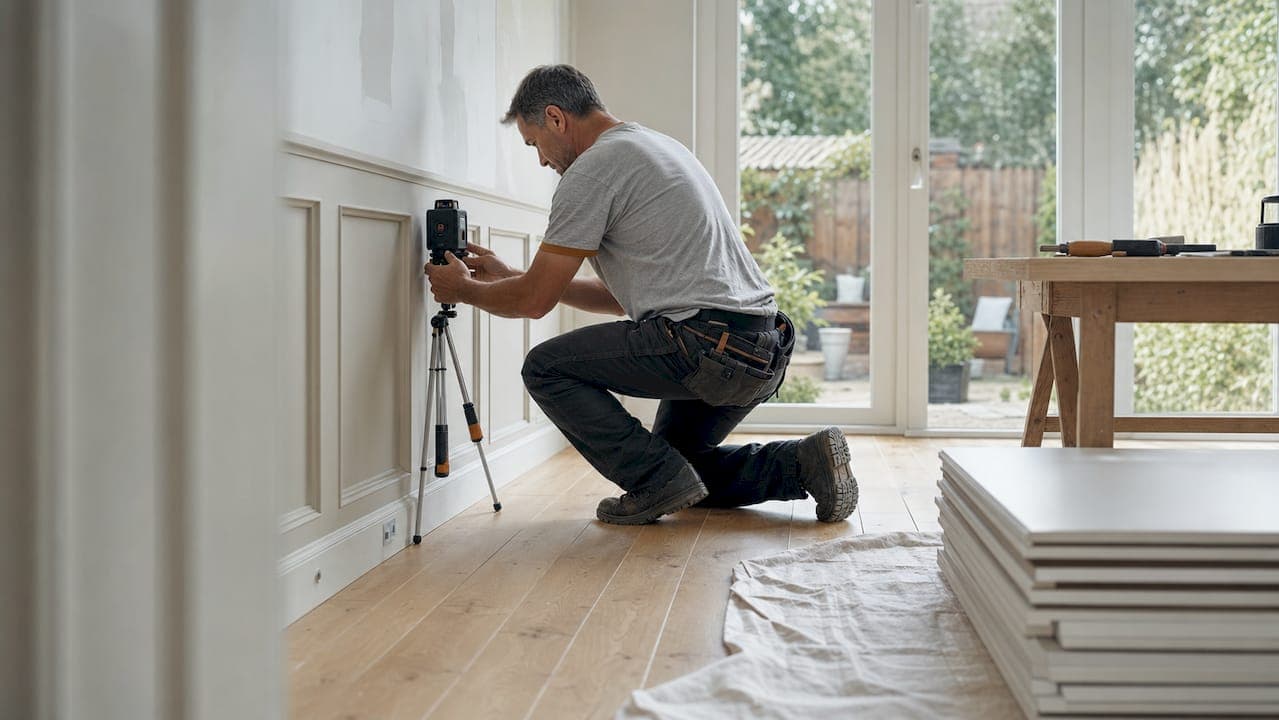
A wall panel contractor is a professional who designs, installs, and customizes decorative and functional wall panels to transform interior and exterior spaces. Hiring the right specialist makes the difference between a polished, lasting finish and a costly redo. Whether you want custom wall panel designs for a living room feature wall or a full exterior cladding project, understanding how these professionals work, what panels cost, and how to choose the right one puts you firmly in control of your renovation.
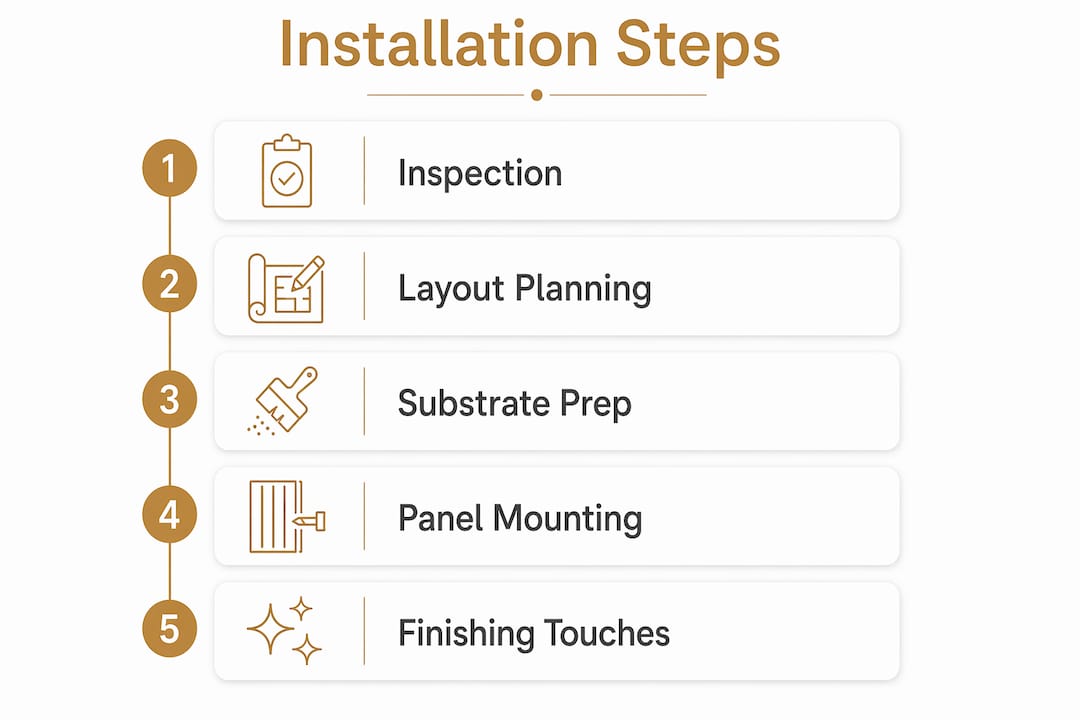
What does a wall panel contractor actually do?
A wall panel contractor handles the full scope of professional panel installation, from site assessment and substrate preparation through final finishing and trim work. The role covers both interior panel installation and exterior wall panel work, and the best contractors treat each project as a complete wall system, not just a surface covering.
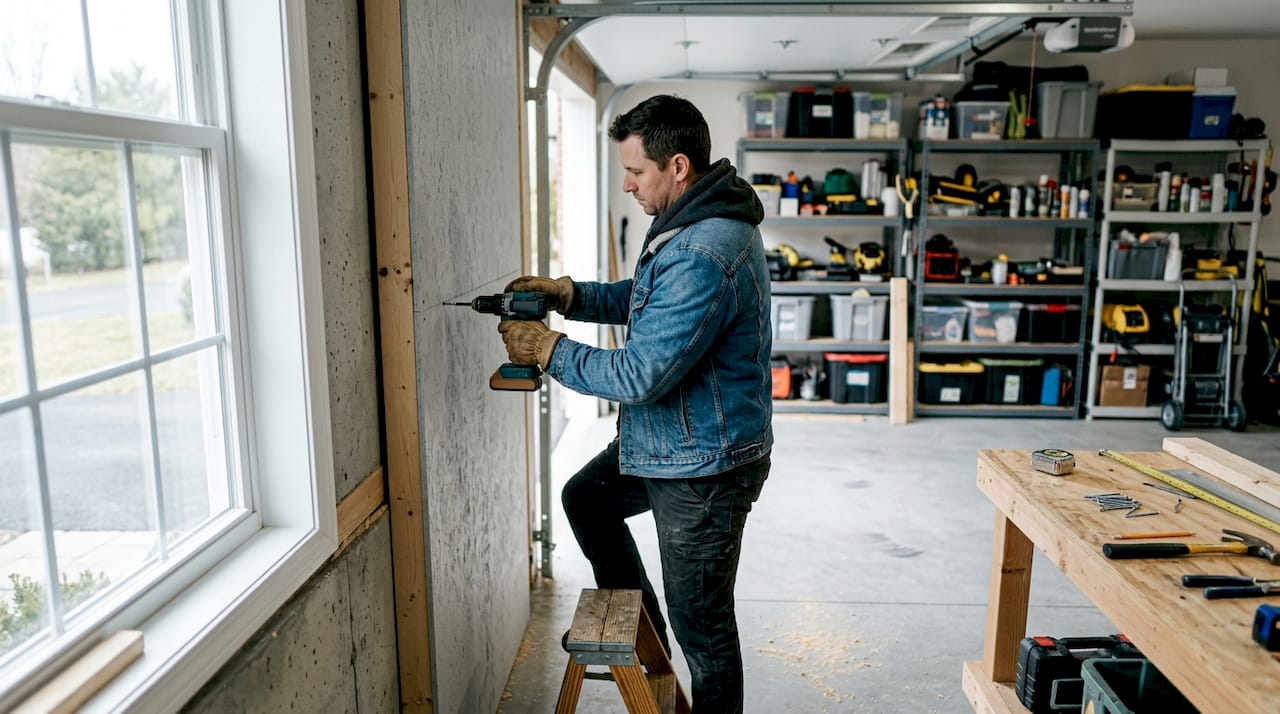
The installation process follows a defined sequence. Professionals begin with substrate inspection, checking for moisture, unevenness, and structural integrity. They then apply a plywood skin over drywall in many cases, because installing a plywood substrate creates a flat, stable surface that prevents imperfections and ensures strong adhesive bonding over time. Drywall alone cannot correct the minor irregularities that cause panels to bow or separate later.
Layout planning comes next, and this step separates skilled contractors from average ones. Professionals use laser levels to strike horizontal datum lines and vertical centerlines, then calculate panel widths to ensure balanced edge panels on both sides of a wall. Floors and ceilings are unreliable alignment guides because they are rarely perfectly level. Skipping this step produces a lopsided look that is obvious once the panels are up.
Acclimatization is another non-negotiable step. Storing panels in the installation room for 24 hours before fitting minimizes expansion and contraction after installation. Ignoring this causes buckling or joint separation within weeks, which means expensive remedial work.
Key installation steps a qualified contractor follows:
- Inspect and prepare the substrate, including moisture testing
- Install a plywood underlayer where drywall is uneven
- Acclimate panels for at least 24 hours in the room
- Strike laser datum lines for balanced layout
- Apply adhesive to achieve contact across at least 95% of the panel back face, per BS 5385 Part 2 standards
- Fit panels in sequence, checking alignment after every third panel
- Complete transitions at windows, doors, and ceiling with precision trim
Pro Tip: Ask your contractor to show you their laser level setup before work begins. If they are aligning panels by eye or using a spirit level alone, the finished wall will show it.
Preparing all tools before starting reduces installation time by up to 30%, and following a strict installation sequence reduces fitting errors by up to 35%. For a 6 square meter wall with standard SPC panels, an experienced installer can complete the work in under 2 hours when preparation is correct.
What factors should you consider when selecting wall panels?
Panel selection is not purely an aesthetic decision. The right choice depends on where the panels go, what the space demands functionally, and what your long-term maintenance expectations are.
Material type is the starting point. Here is how the main categories compare:
- Wood and MDF panels suit sheltered interior spaces with stable humidity. They offer warmth and texture but are vulnerable to moisture in bathrooms or kitchens without proper sealing.
- SPC (stone plastic composite) panels handle humidity well and resist warping, making them a strong choice for bathrooms, utility rooms, and basements.
- Aluminum composite panels are the standard for commercial spaces and exterior applications. They carry fire ratings and meet non-combustible requirements where building codes demand it.
- Acoustic slat panels combine sound absorption with visual appeal. They are measured by NRC (Noise Reduction Coefficient) or DW ratings, which quantify how much sound a panel absorbs.
| Panel type | Best environment | Key functional benefit |
|---|---|---|
| Wood / MDF | Dry interiors | Warmth, texture, customization |
| SPC | Wet or humid rooms | Moisture resistance, durability |
| Aluminum composite | Commercial, exterior | Fire rating, structural strength |
| Acoustic slat | Living rooms, offices | Sound absorption, NRC-rated |
Fire ratings and sound reverberation factors are critical for commercial or professional environments, and a qualified contractor will specify the correct panel grade before any purchase is made. Choosing the wrong material for the environment is one of the most common and expensive mistakes homeowners make.
Design layout must also account for architectural adjacencies. Transitions at window casings and doors need to look intentional, not like an afterthought. A professional contractor plans these junctions at the design stage, not after panels are already on the wall.
For a deeper look at material options, the premium wall paneling alternatives guide covers fire safety, acoustics, and residential suitability across six panel categories.
How much does professional wall panel installation cost?
Material costs generally make up 60%–70% of the total project investment, with labor accounting for the remaining 30%–40%. That split matters because it tells you where your negotiating room is and where it is not.
Labor rates for wall panel installation vary by region, panel complexity, and site conditions. Projects range widely in total cost depending on material type and the complexity of the space. Rooms with multiple windows, alcoves, or irregular walls take longer and cost more per square meter than open, flat surfaces.
Several factors push costs up:
- Material grade. Acoustic and aluminum composite panels cost more per unit than standard MDF.
- Substrate condition. A wall that needs significant repair or a plywood underlayer adds labor hours before a single panel goes up.
- Design complexity. Full wall coverage in a simple rectangle costs less than a feature wall with integrated shelving, lighting channels, or mixed panel types.
- Regional labor rates. Contractor fees vary significantly by city and state.
Pro Tip: Get at least three written quotes and ask each contractor to itemize materials separately from labor. This makes it easy to compare like for like and spot any contractor padding the material markup.
Budgeting for paneling services means accounting for waste. A professional contractor typically orders 10%–15% extra material to cover cuts, mistakes, and future repairs. If a quote does not include this buffer, ask why. Skimping on material allowance is a false economy that causes delays mid-project.
For a full breakdown of what goes into decorative wall panel costs, including labor benchmarks and fitting standards, that resource covers the numbers in detail.
Practical tips for hiring and working with wall panel contractors
The right contractor is not always the cheapest or the most available. Vetting properly before you sign anything saves time, money, and frustration.
Questions to ask before hiring:
- Can you show me three completed projects similar to mine in scale and material?
- Do you carry liability insurance and workers' compensation coverage?
- How do you handle substrate issues discovered after work begins?
- What is your process for acclimatizing panels before installation?
- Do you provide a written warranty on your workmanship?
A contractor who cannot answer the acclimatization question clearly has not done enough panel work to trust with your home. Panel movement caused by skipping acclimatization leads to costly fixes shortly after installation, and that cost falls on you if there is no workmanship warranty.
Portfolio review matters more than years in business. Look for clean transitions at corners and door frames, consistent grout lines or joint gaps, and evidence of laser-level alignment in the finished walls. Uneven edge panels or visible adhesive squeeze-out are red flags.
Before work starts, agree on a written scope that includes:
- Panel brand, model, and finish specified by name
- Substrate preparation method
- Start and completion dates
- Payment schedule tied to milestones, not calendar dates
- Process for handling unforeseen site conditions
Post-installation, acoustic slat wall panels and wood-based panels need periodic dusting and occasional conditioning with manufacturer-approved products. Avoid steam cleaners near wood panels and check joints annually for any movement, especially in rooms with seasonal temperature swings.
Key takeaways
Hiring a qualified wall panel contractor delivers results that DIY attempts rarely match, because professional installation combines substrate preparation, precision layout, and correct material selection from the start.
| Point | Details |
|---|---|
| Substrate preparation is non-negotiable | Professionals install a plywood underlayer to create a flat, stable bonding surface. |
| Acclimatize panels before fitting | Store panels in the room for 24 hours to prevent post-installation buckling or joint separation. |
| Material choice depends on environment | Match panel type to humidity, fire rating needs, and acoustic requirements, not just aesthetics. |
| Labor is 30%–40% of total cost | Materials drive most of the budget; get itemized quotes to compare contractors accurately. |
| Vet contractors on process, not price | Ask about acclimatization, substrate handling, and workmanship warranties before hiring. |
Why professional installation is worth every dollar, in my view
I have seen a lot of wall panel projects, and the ones that disappoint homeowners almost always share one trait: the contractor skipped the boring parts. Substrate prep, acclimatization, laser layout. These steps are invisible in the finished wall, which is exactly why some contractors cut them.
The difference between a professional finish and a DIY attempt is not the panels themselves. It is the substrate beneath them and the precision of the joints. A wall that looks perfect on day one but develops gaps or bowing by winter tells you everything about what happened before the first panel went up.
My honest advice: do not let a low quote tempt you into skipping the vetting process. A contractor who cannot explain their substrate preparation method or who dismisses acclimatization as unnecessary is not saving you money. They are deferring a problem you will pay to fix later.
The other misconception I hear often is that professional wall panels are only for high-end renovations. That is not true. The right panel at the right price point, installed correctly, adds genuine value to any home. The investment is in the process, not just the material.
— Jake
How Themediawallstore can support your next wall panel project
Themediawallstore builds luxury media wall kits designed for homeowners who want a high-end finish without the full cost of a custom contractor build. Every kit arrives pre-cut and pre-labeled, so assembly takes a weekend rather than weeks.

Over 1,000 homeowners have used Themediawallstore kits to create feature walls that look professionally installed. The kits pair well with acoustic slat panels and include expert support if you hit a snag. For homeowners who want design guidance before committing, a free 3D design consultation is available to map out your space. Browse the full range of DIY media wall kits to find the style and size that fits your project.
FAQ
What is a wall panel contractor?
A wall panel contractor is a specialist who installs, customizes, and finishes decorative or functional wall panels in residential and commercial spaces. Their work covers substrate preparation, panel layout, fitting, and trim detailing.
How long does professional wall panel installation take?
An experienced installer can cover a 6 square meter wall with standard SPC panels in under 2 hours when preparation is complete. Larger or more complex rooms take longer, and substrate repair adds time before panel fitting begins.
What is the most important step in professional panel installation?
Substrate preparation is the most critical step. Professionals install a plywood underlayer over drywall to create a flat, stable surface, because adhesive must contact at least 95% of the panel back face to meet BS 5385 Part 2 standards.
How do I know if a wall panel contractor is qualified?
Ask to see completed projects in a similar material and scale, confirm they carry liability insurance, and ask directly how they handle panel acclimatization and substrate irregularities. A qualified contractor answers these questions without hesitation.
Can I install wall panels myself instead of hiring a contractor?
DIY installation is possible for flat, simple walls with standard panels, but the hidden quality difference lies in substrate preparation and transition detailing. Professionals treat wall panels as complete wall systems, which produces smoother, longer-lasting finishes than most DIY attempts achieve.