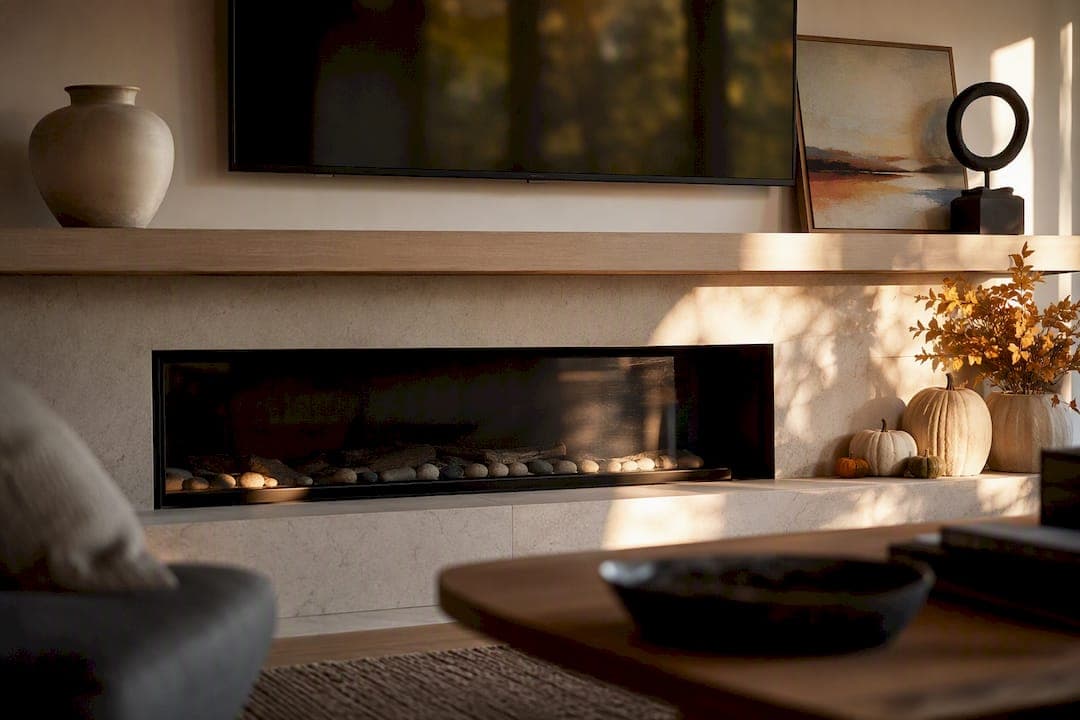
Both choices are right, depending on your room. Add a mantel when the fireplace needs architectural weight, a display surface, or protection around a working wood-burning firebox. Skip it when you want a flush, modern media wall or plan to mount a TV where a mantel would only get in the way. Design resources like BHG and HGTV back this up, and companies like Themediawallstore build entire product lines around the mantel-free option.
- Choose a mantel if you have high ceilings, period architecture, or a wood-burning fireplace that benefits from a heat-shielding shelf.
- Skip the mantel if you want a minimal look, a flush media wall, or you'd rather showcase the surround material itself.
- Let the TV decide when ergonomics and heat are the deciding factors, not aesthetics alone.
Key Takeaways
A mantel and a mantel-free fireplace are both correct choices, and the right one depends on architecture, TV placement, and whether the fireplace is a working wood-burning unit.
| Point | Details |
|---|---|
| Match the room's architecture | Choose a mantel for high ceilings or traditional trim; skip it for flush, modern walls. |
| Test before you mount | Use a paper TV template and a thermometer check before committing to TV height. |
| Budget by scope | A shelf mantel installs in a day; custom carpentry or masonry can take one to three weeks. |
| Keep clearances in check | Verify heat clearances and cable routing against manufacturer manuals before installing. |
| Consider a kit for speed | Themediawallstore's pre-cut kits deliver a finished mantel-free wall over a single weekend. |
Table of Contents
- Mantel Or No Mantel: Weighing the Pros and Cons
- When Does a Fireplace Actually Need a Mantel?
- When a Mantel-Free Fireplace Works Better
- How Should You Mount a TV Above a Fireplace?
- How Do You Style a Mantel or a Mantel-Free Wall?
- What Do a Mantel or a Media Wall Cost to Install?
- What Are the Clearance and Safety Basics?
- Quick Checklist: Mantel or No Mantel?
- A Lower-Cost Route to a Finished Mantel-Free Wall
- Get a Mantel-Free Media Wall Without the Guesswork
- Sources
- FAQ
Mantel Or No Mantel: Weighing the Pros and Cons
A mantel gives you architectural presence and a place to display art, photos, or seasonal decor. It also shields the wall above a wood-burning firebox from heat and soot. The tradeoffs: it adds visual bulk, competes with a mounted TV for attention, and needs regular styling to avoid looking cluttered.
Going mantel-free lets the surround material carry the design, whether that's marble, tile, or a slat panel system. Maintenance drops since there's no ledge collecting dust or knickknacks, and the wall reads cleaner in small rooms. The downside is losing that natural display shelf and, in some traditional homes, losing a piece of the room's architectural language entirely.
When a TV enters the picture, the balance often tips. A mantel positioned too high forces an awkward viewing angle, but a lower mantel or a recessed niche can pull the TV and firebox into one cohesive composition instead of two competing elements.
- Mantel pros: architectural anchor, display surface, heat buffer for wood-burning units.
- Mantel cons: added bulk, styling upkeep, can crowd a mounted TV.
- No-mantel pros: highlights surround material, less maintenance, cleaner modern look.
- No-mantel cons: no built-in display shelf, can feel bare without other visual anchors.
When Does a Fireplace Actually Need a Mantel?
Certain rooms practically ask for one. If your ceilings run high, a mantel gives the eye a resting point partway up the wall instead of letting the fireplace disappear into a vertical expanse. Traditional or colonial architecture, crown molding, wainscoting, built-in bookcases, usually calls for a matching mantel to keep the room's language consistent. A working wood-burning fireplace is another strong signal, since the mantel doubles as a shield for heat and soot.
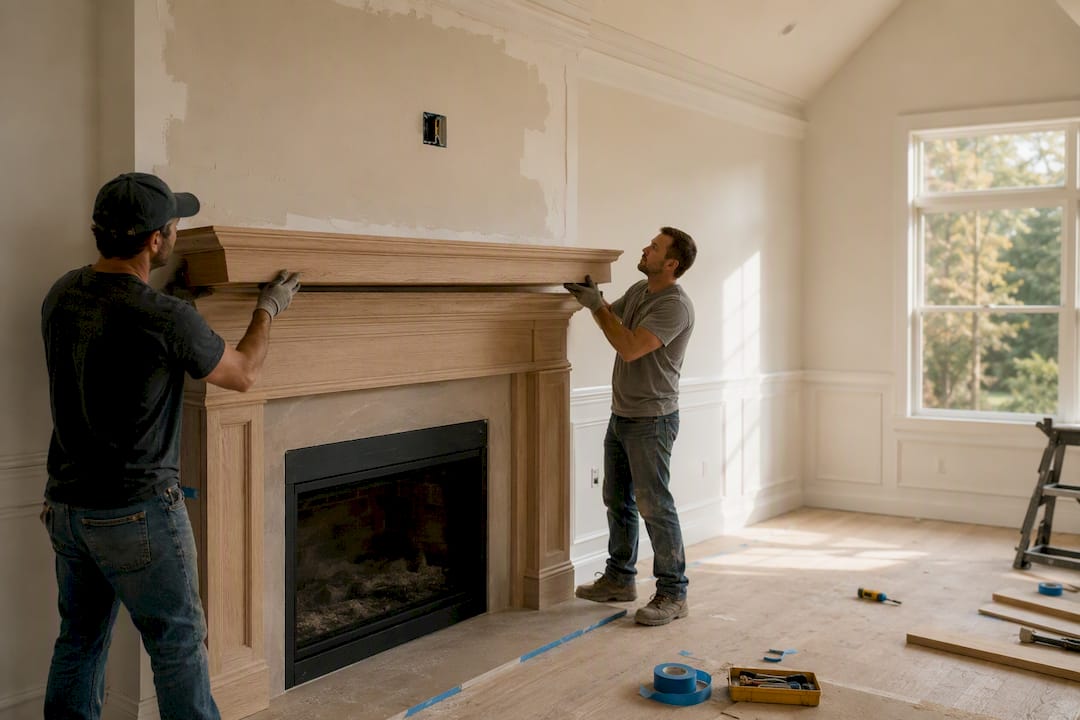
Stand in the room and check three things: proportion (does the fireplace wall look unfinished without a shelf?), sightlines from the main seating area, and hearth depth (deeper hearths often support heavier, more traditional mantels). Add one, and a plain brick or stone wall instantly reads as a designed focal point rather than a leftover structural feature.
Pro Tip: If you're on the fence, tape a strip of painter's tape at your proposed mantel height and live with it for a week. Your eye will tell you if the wall needs the break.
When a Mantel-Free Fireplace Works Better
Modern and Scandinavian interiors tend to skip the mantel entirely, and for good reason. A flush linear insert, full-height stone or tile, or a recessed electric fireplace reads as calm and intentional rather than unfinished. Electric and wall-mounted linear fireplaces pair naturally with this approach and cost less to run than a masonry rebuild.
Materials matter here. A continuous marble slab or paneled surround does the visual work a mantel would otherwise do, and slat wood accent panels add texture without adding a shelf.
- Flush linear insert: pairs with floor-to-ceiling tile for a seamless vertical line.
- Full-height stone or marble: lets the material itself be the statement, no shelf needed.
- Recessed electric fireplace: disappears into a media wall, ideal for small rooms.
- Slat accent panels: add warmth and texture while keeping the wall flush and modern.
How Should You Mount a TV Above a Fireplace?
Test sightlines and wall temperature before you commit to any height. A paper-template test, taping a paper cutout of your TV's dimensions to the wall, shows you exactly how the screen will sit relative to your usual seat.
- Aim for the TV's center between roughly 60 and 68 inches from the floor, close to seated eye level.
- If a mantel or hearth forces the TV higher than optimal viewing height, switch to a tilting or articulating mount to angle the screen down toward your seating.
- For wood-burning fireplaces, tape a thermometer to the wall face during a fire and confirm the surface stays below your TV manufacturer's safe operating limit.
- Consider a mantel or heat deflector above a wood-burning firebox even if you'd otherwise skip one, purely as a heat buffer for the electronics above.
Frame-style TVs that display art when off are worth a look if the mounted screen still bothers you visually, since they turn the "off" state into a design asset instead of a black rectangle.
Pro Tip: Run the thermometer test on a normal-sized fire, not a small starter flame. You want real-world numbers, not best-case ones.
How Do You Style a Mantel or a Mantel-Free Wall?
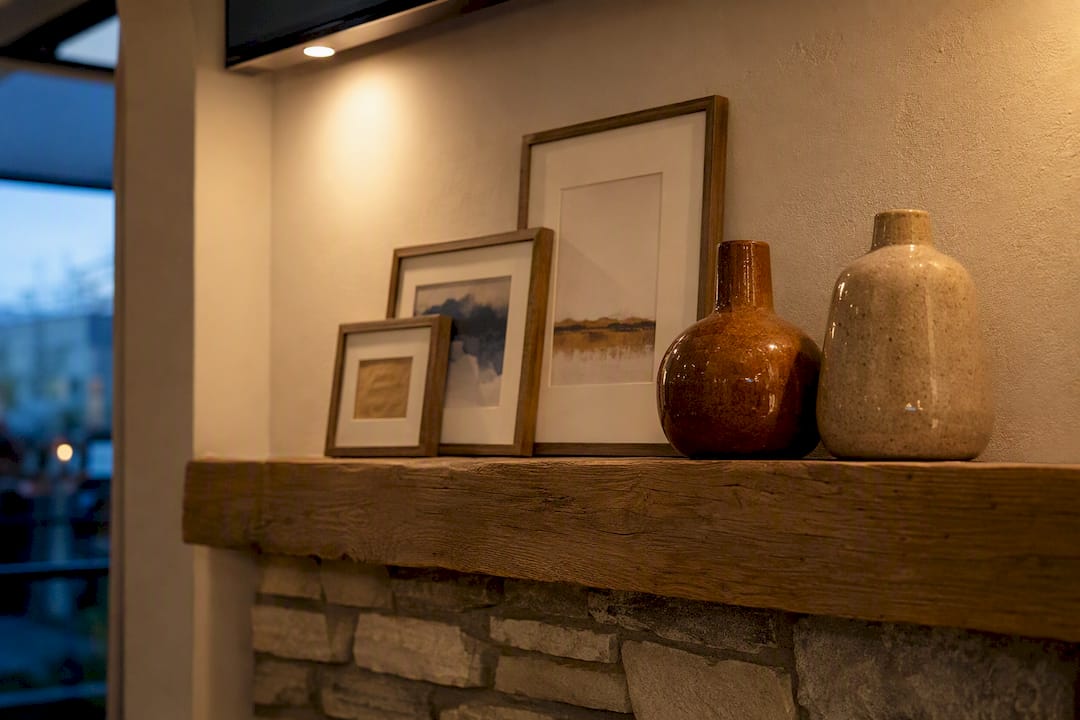
With a mantel, less is more. Anchor it with one or two larger pieces, mirror, art, or a sculptural object, then let smaller items sit low so they don't crowd a TV mounted above. Rotate seasonal decor rather than layering it on top of what's already there, and designers consistently point out that treating the mantel, TV, and firebox as one composed unit fixes most of the "TV looks tacked on" complaints. A lower mantel or recessed niche does the same job even more effectively.
Mantel-free walls need a different trick: full-height finishes, a painted accent field, or flanking built-ins and shelves give the eye an anchor that a shelf would otherwise provide. Integrated lighting along a slat panel or shelf edge adds warmth without adding clutter.
Pro Tip: Keep anything flammable, dried florals, paper décor, fabric runners, at least a foot from a working firebox opening, mantel or not.
What Do a Mantel or a Media Wall Cost to Install?
A basic prefabricated shelf mantel runs on the low end and can go in in an afternoon. A custom wood mantel built to match existing trim costs more and usually takes a carpenter a few days on-site. A pre-cut DIY media wall kit sits in a comparable price range to a mid-tier custom mantel but delivers an entire finished wall, not just a shelf, and most homeowners complete installation over a single weekend. A full custom built-in with masonry or structural work runs highest and can take one to three weeks depending on scope.
- Basic shelf mantel: install same day.
- Pre-cut DIY media wall kit: weekend install.
- Custom carpentry or masonry work: one to three weeks, often requiring permits and licensed trades.
What Are the Clearance and Safety Basics?
Check your fireplace and TV manufacturer manuals before finalizing any layout, they list minimum clearances for both heat and combustible materials. General guidance calls for keeping mantel depth and any hung decor a safe distance above the firebox opening, and combustible items further still from a working flame.
- Confirm hearth and mantel clearances against your fireplace manufacturer's specs.
- Tape a thermometer to the wall during a real fire to verify surface temperature stays within your TV's safe range.
- Route HDMI and power cables through a rated wall chase, never loose behind drywall.
- Call a licensed installer for any gas line or wood-burning fireplace modification, or check out this Best TV Mounting Service Near Me guide to find professional help when you decide a mounted TV needs expert installation.
Quick Checklist: Mantel or No Mantel?
Stand in the room and run through this before you buy anything.
- Do you need a display surface for art, photos, or seasonal decor?
- Will a TV hang above the fireplace, and at what height relative to your seating?
- Is the fireplace a working wood-burning unit that needs a heat buffer?
- Does the wall material (stone, tile, marble) look strong enough to stand alone?
- If you answered yes to display needs and traditional architecture, install a mantel.
- If a flush, modern look and a mounted TV matter most, look at a pre-cut media wall kit.
- If structural changes or gas lines are involved, bring in a licensed pro before you start.
A Lower-Cost Route to a Finished Mantel-Free Wall
If the checklist points you toward no mantel, a pre-cut media wall kit gets you there without a contractor. Themediawallstore's kits arrive with pre-labeled panels, hidden wire routing, and integrated LED lighting, so the flush, modern look that usually requires custom carpentry comes in a box instead.
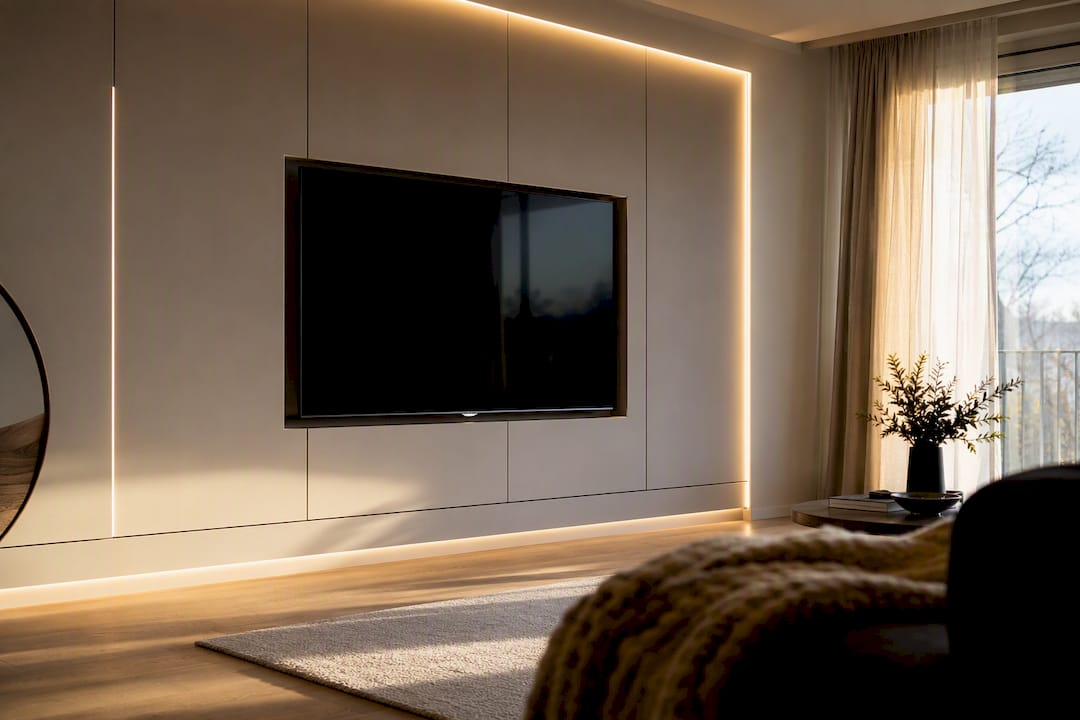
Kits make the most sense in tight rooms where a mantel would eat visual space, or when you want a finished wall fast without waiting weeks for custom work. A typical kit installs over a weekend; call in a pro only if you're rerouting gas lines or making structural changes to the wall itself.
Pro Tip: Measure your TV against the panel's built-in recess before ordering, most kits are designed around standard TV sizes, but confirming saves a return.
Start with sightlines, then style around them
I'd rather see a homeowner tape up a paper TV outline and test a lower mantel position before buying anything. Function first, decoration second, always in that order.
Get a Mantel-Free Media Wall Without the Guesswork
If a custom mantel or built-in felt like too much cost and too long a wait, a pre-cut kit solves both problems at once. Themediawallstore's Essential Modern line is built for exactly the minimalist, mantel-free look this article walks through: flush panels, hidden wiring, and a weekend install instead of weeks of carpentry.
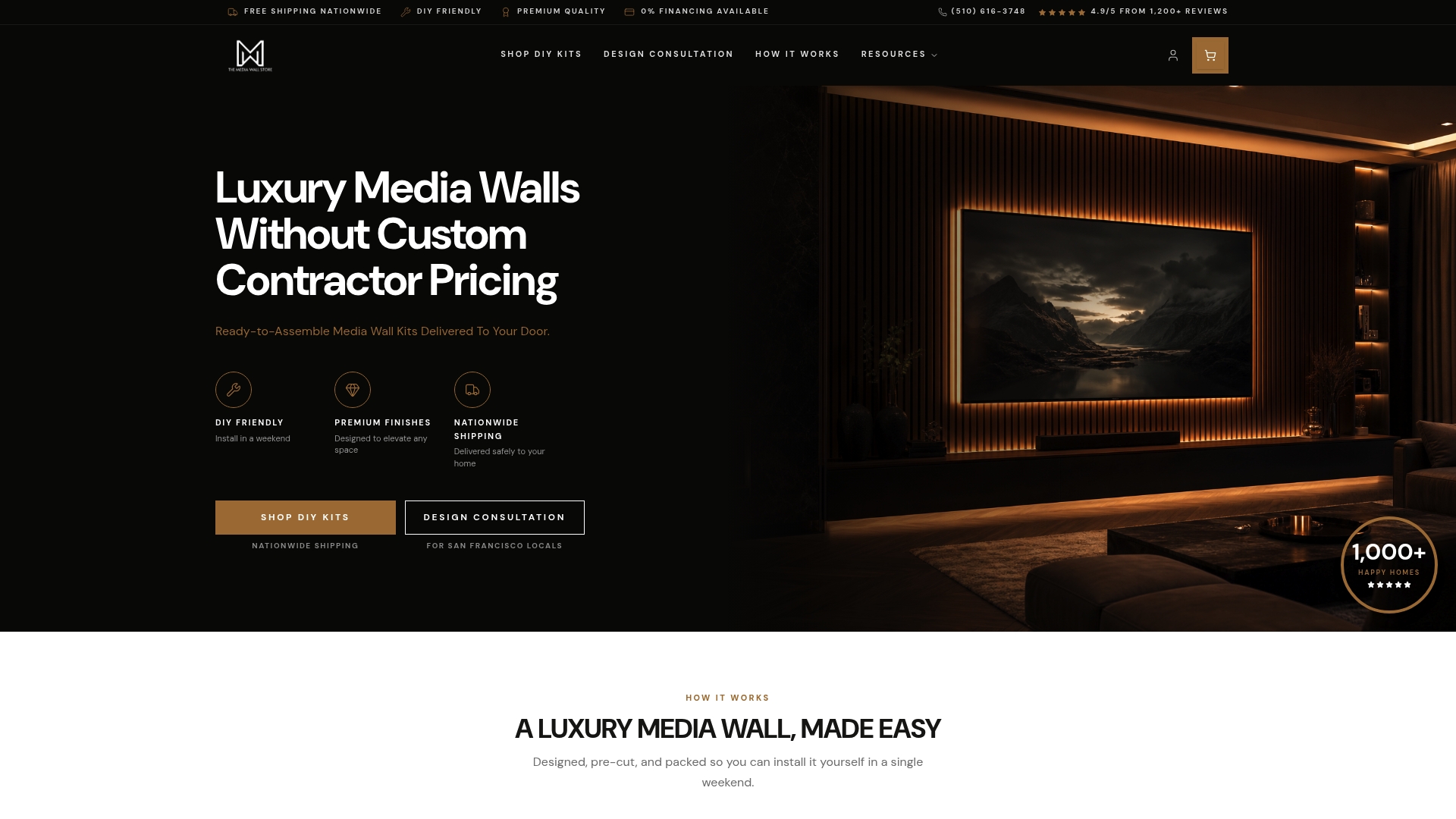
Every kit ships pre-cut and pre-labeled, so assembly follows a clear sequence rather than custom measuring on-site. That's paired with expert support and a straightforward return policy if a kit doesn't fit your space the way you expected. Browse the full DIY media wall kit shop to compare finishes and sizes, or check the fireplace accessories if you're pairing a kit with an electric insert.
Sources
- Can You Hang a TV Above a Fireplace? 5 Things to Know
- How to decorate a mantel with a TV
- No Mantel? No Problem! How to Achieve a Minimalist Fireplace Look
- Fireplace ideas
FAQ
Are Fireplace Mantels Still in Style?
Yes, mantels remain popular, especially in traditional and transitional homes, though many contemporary designs now favor lower, slimmer, or painted mantels instead of bulky traditional ones.
Is a Fireplace Mantel Necessary?
No, a mantel isn't required. It's most useful for display space, heat protection on wood-burning fireplaces, or matching period architecture, but plenty of well-designed rooms skip it entirely.
What Is the New Trend for Fireplaces?
Flush, mantel-free media walls with recessed electric inserts, integrated lighting, and slat wood accent panels are trending, largely because kits from companies like Themediawallstore make that look achievable in a weekend.
Are Mantelpieces Outdated?
Not outdated, but their role has shifted. Many homeowners now treat the mantel as optional styling rather than a structural necessity, choosing it for character and skipping it for a cleaner, modern focal point.